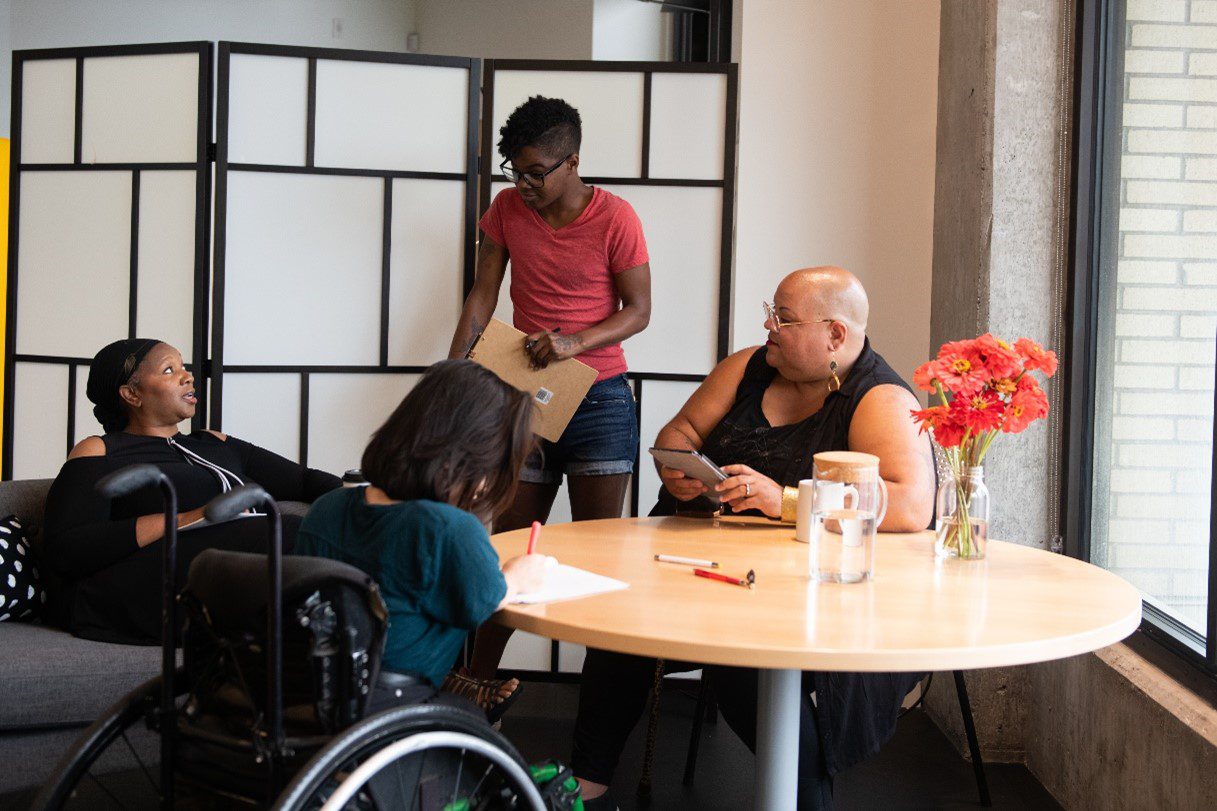
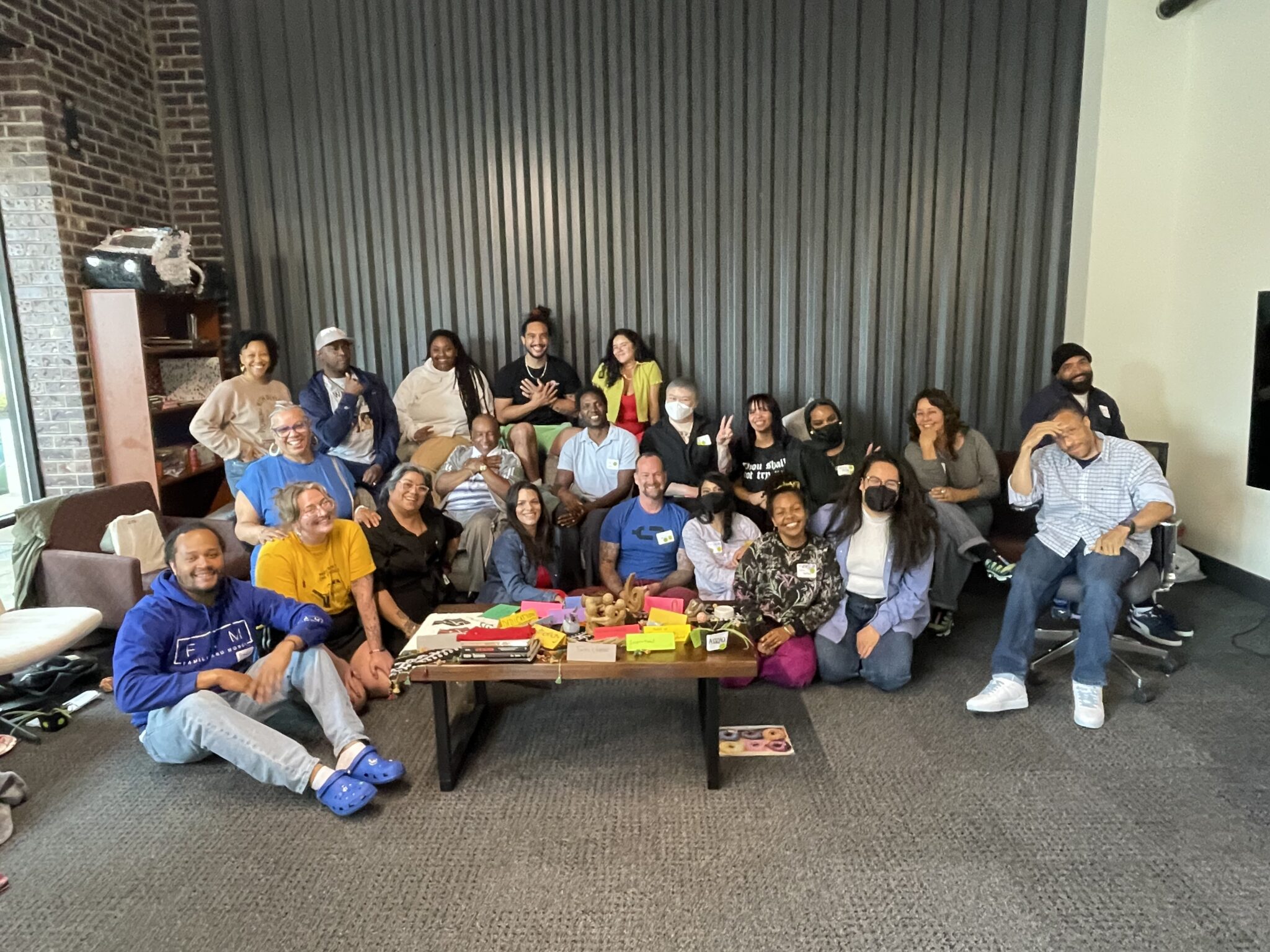
 Collective Justice staff, facilitators, and community partners come together after a retreat dedicated to deepening restorative justice practice, leadership, and connection.
 Funding will increase community-based options for support as an alternative to policing and incarceration
The City of Seattle has announced the results of its 2025 Collective Network Request for Proposals (RFP), awarding $855,000 to community-led programs addressing domestic violence outside the criminal legal system. Programs will support safety and self-determination for survivors and their loved ones through case management, restorative justice practices, community education, and healing circles. Funding is provided by the Seattle Office for Civil Rights (SOCR) and the Human Services Department (HSD) through the City’s general fund.
“Traditional criminal legal system responses to domestic violence focus on removal and punishment rather than meaningful support and transformation, which often fail to meet the full needs of survivors,” said Erika Pablo, Interim Director of the Seattle Office for Civil Rights. “These grants will help fill a gap in community-based options for support and empower communities to address domestic violence through self-determined strategies and collective care.”
“This funding will be instrumental in helping individuals and families to heal and prevent further harm,” said Tanya Kim, Director of the Seattle Human Services Department. “Culturally relevant, community-based programs give agency back to survivors and are a vital lifeline connecting them to mental health support and other basic needs.”
Programs Approved for Funding
Three organizations will each receive $285,000 between now and December 2027, including:
- Collective Justice will offer healing circles and trainings on restorative justice, transformative justice, and bystander intervention for community members and incarcerated individuals.
- Seattle’s LGBTQ+ Center* will host workshops on how to create safety plans, set boundaries, communicate effectively, and recognize signs of harm.
- Muslimahs Against Abuse Center (MAAC)** will provide safe spaces, case coordination for survivors and their families, domestic violence prevention dialogue sessions, and training for faith leaders, youth mentors, and women’s groups.
*Award will be funded by HSD.
**First-time award recipient of Collective Network RFP funding.
“These investments are supporting organizations doing the work of prevention, healing, and survivor-centered support,” said John Page, Strategic Advisor of Community Investments at the Seattle Office for Civil Rights. “SOCR is committed to strengthening approaches that are community-owned and focused on long-term safety for all community members.”
Programs are expected to serve approximately 1,450 people with a focus on survivors of violence and communities who have been systematically harmed by the criminal legal system—particularly Black, Indigenous, People of Color, LGBTQ+, immigrants, refugees, people with disabilities, and people who live at the intersection of these identities.
SOCR received 11 proposals requesting a total of $2,868,127, exceeding available funding. Proposals were reviewed by a panel of City staff, people with lived experience of domestic violence and incarceration, and representatives of community organizations dedicated to addressing gender-based violence, reentry, transphobia, and reducing harms of the criminal legal system.
Why this matters
Domestic violence is a widespread issue
Domestic violence impacts every community. National studies estimate 1 in 3 women, transgender, and non-binary people—and 1 in 4 men—have experienced severe physical abuse by an intimate partner.1 Despite decades of public funding and policy efforts, it remains one of the most widespread forms of interpersonal harm leading to injury, housing insecurity, educational disruptions, chronic health problems, and early death.
Criminal legal responses to domestic violence worsen existing racial disparities
Although domestic violence impacts every community, research shows it’s more likely to result in arrests and criminal penalties for communities already disproportionately burdened by surveillance and criminalization. While only 7% of Seattle’s population is Black, approximately 41% of referrals for domestic violence offenses involved Black suspects in the past five years, according to a 2025 City Attorney report.2 A majority of incarcerated transgender and gender non-conforming people are survivors of domestic violence, while also being significantly overrepresented in the criminal legal system.3 Criminal legal system responses to domestic violence contribute to mass criminalization and incarceration, which lead to compounding economic, social, emotional, and health consequences, particularly for BIPOC and LGBTQ+ people.
Survivors request community-based options for support
In 2023, SOCR brought advocates and people with lived experience of domestic violence and incarceration together to shape how the City can partner with communities to improve long-term safety and well-being. Their work resulted in a report titled Transformation is Possible which highlighted that many survivors turn to friends, family, and community organizations for help due to how the criminal legal system itself can cause harm for everyone involved in domestic violence situations.
The group’s recommendation for more community-based supports align with research that shows many BIPOC and LGBTQ+ survivors have experienced harmful consequences of the criminal legal system such as arrests and detention, being ignored or disbelieved by officers, and lacking trust in the system to keep themselves and their families safe4. Further, criminal penalties often limit access to housing, employment, and parental rights, which can disrupt the lives of everyone involved.
Instead, community-based programs that focus on providing safe spaces, meeting survivors’ basic needs, community education, and addressing the root causes of violence often lead to better social support, mental health, and life outcomes for people on both sides of harm.5
Strengthening Community-Owned Responses to Domestic Violence
First-time Collective Network grantee, Muslimahs Against Abuse Center (MAAC), plans to equip faith leaders and community mentors with skills to recognize abuse, respond safely, and support accountability.
Photo caption: As part of MAAC’s InHerCircle program, over 100 participants came together to connect, reflect, and build sisterhood.
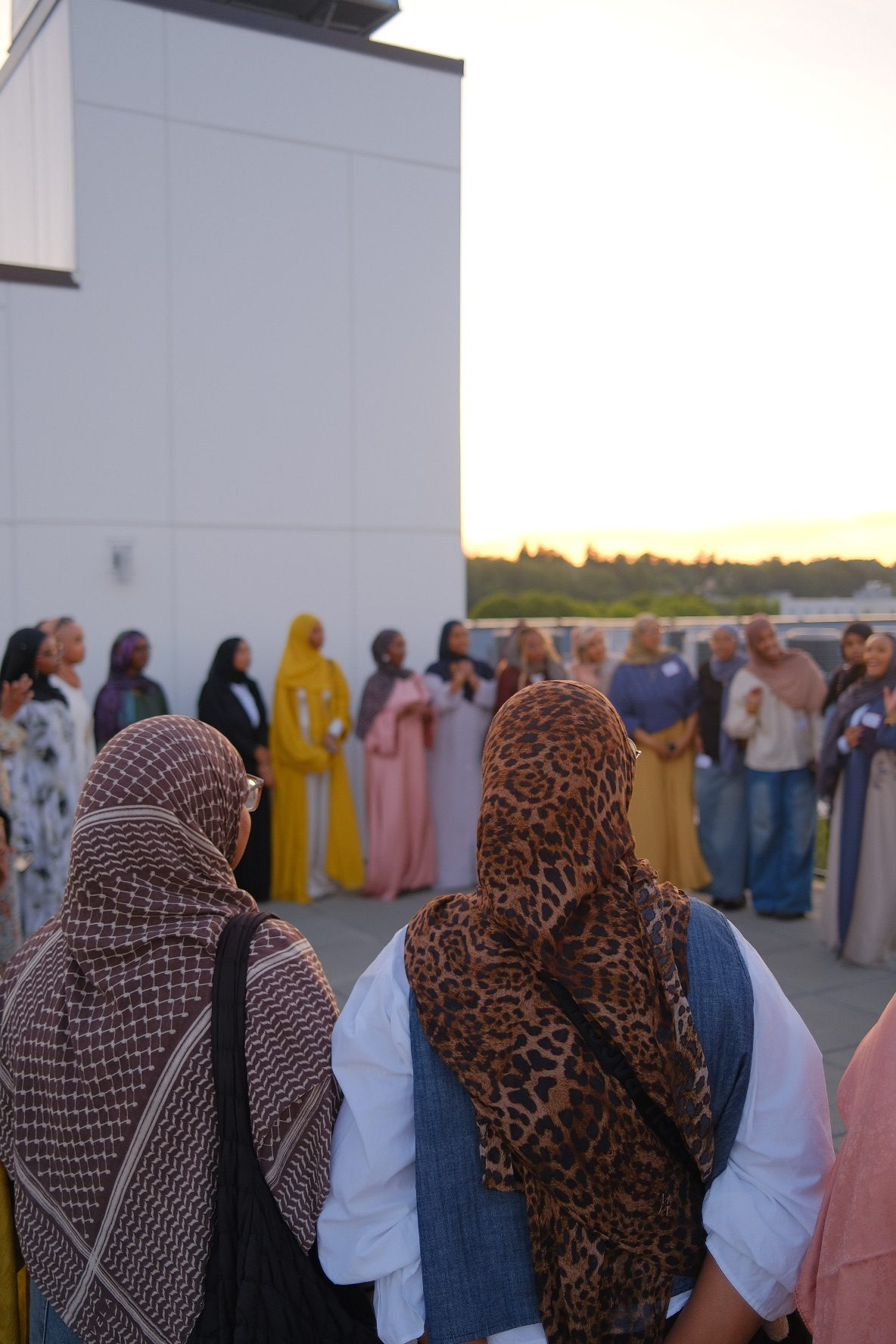
“In many Muslim communities, faith leaders, elders, women’s groups, and youth mentors are the first people community members turn to in moments of crisis. Engaging these trusted figures in prevention and bystander work expands the circle of safety beyond formal service providers and helps address harm early before violence escalates,” said Rahma Rashid, Founder and Executive Director of MAAC. “Women’s groups and youth mentors play a critical role in shifting norms, challenging silence, and modeling healthy relationships for the next generation. This shared responsibility makes prevention sustainable and culturally grounded.”
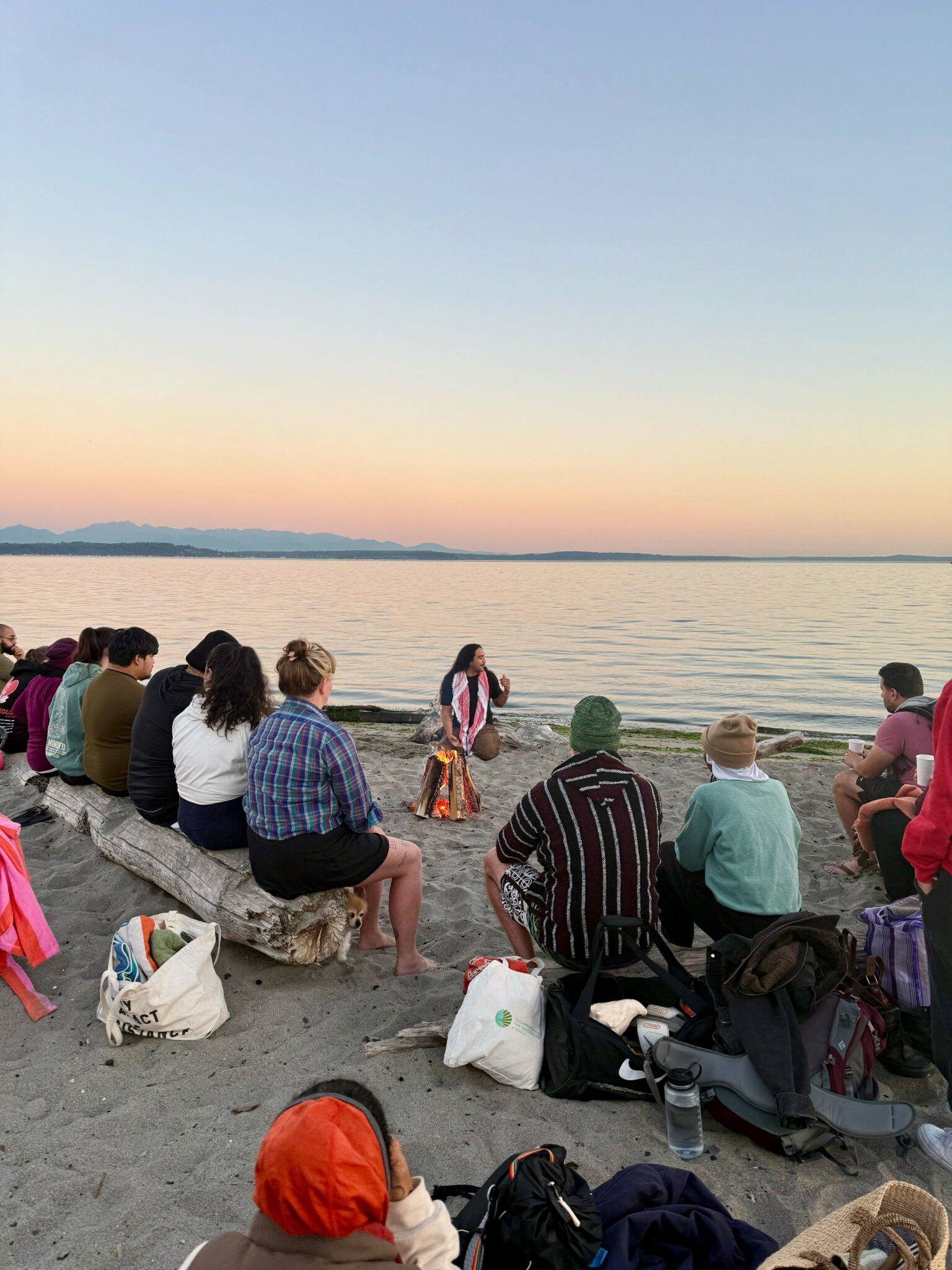
Third-time award recipient, Collective Justice, will facilitate dialogue and training focused on reclaiming healing traditions, addressing intergenerational trauma and systemic oppression, and building collective power.
Photo caption: Community members gather at the water’s edge for a communal ritual known as Kapu Kai ceremony, a Kanaka Maoli saltwater ceremony inviting participants to cleanse themselves, set clear intentions, make heartfelt offerings and release what no longer serves them.
“We stand on the shoulders of organizations like API Chaya who taught us that we are each other’s first responders. Before harm escalates to the police or criminal courts, it is everyday people—aunties, uncles, friends, coaches, and peers—who are positioned to intervene and respond to domestic violence in their communities,” said Martina Kartman, Strategy and Learning Director and Co-Founder of Collective Justice. “Bystander intervention and prevention work invests in these community members to build skills like de-escalation and safety planning to break the isolation of cycles of violence. It increases the resources that people have access to and builds a future where everyday people have the skills to repair harm. Cages, cops, and cuffs are replaced by relationship, circle, and ceremony. There is a healer in every home.”
In addition to supporting community members with safety planning and building skills to recognize signs of harm, Seattle’s LGBTQ+ Center will build a stronger network of options for support.
Photo caption: Seattle’s LGBTQ+ Center sharing resources and information.
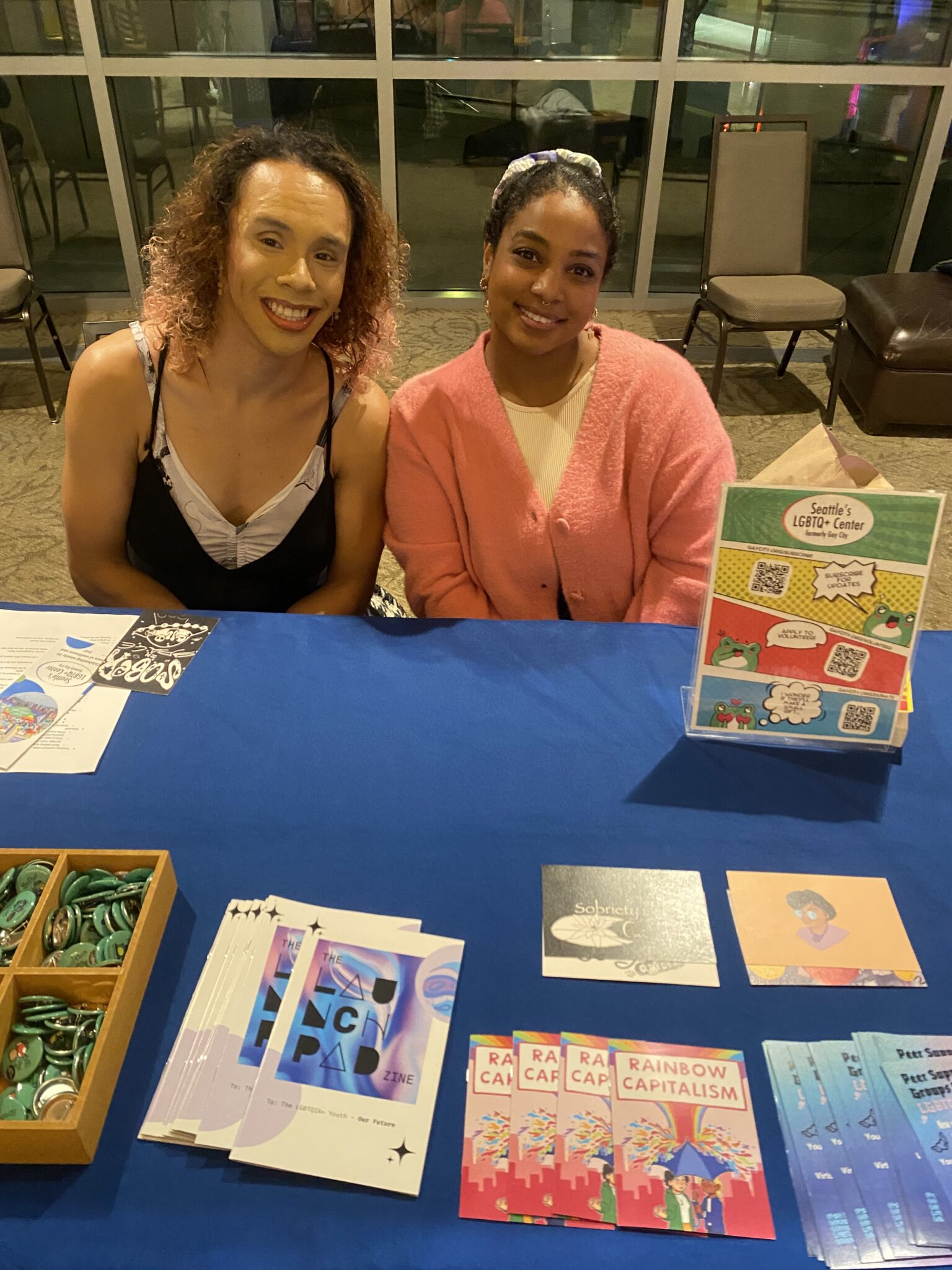
“It is important for LGBTQ+ survivors to have a variety of resources and community groups available to them because it allows for an individual to self-determine what is best for them and fits their needs,” said Nakita Venus, Executive Director of Seattle’s LGBTQ+ Center. “A strong network of support not only decreases the chances of additional harm being done, it also allows for the full embrace of a person and communal healing.”
Background
SOCR’s Collective Network investments are a direct response to calls for investments that expand and sustain community-led programs outside of the criminal legal system. Since 2020, SOCR has invested over $3 million in community organizations building community-owned alternatives to incarceration through self-determined strategies. These grants complement additional City of Seattle initiatives addressing domestic violence and community safety, including HSD’s investments of more than $17.6 million annually in gender-based violence (GBV) prevention, intervention, a coordinated network of systems and services for survivors, and accountability programs.
References
- Leemis, et al., “National Intimate Partner and Sexual Violences Survey,” 2022. (www.cdc.gov/nisvs/documentation/NISVSReportonIPV_2022.pdf). See also, Peitzmeier, Sarah et al. “Intimate partner violence in transgender populations: Systematic review and meta-analysis of prevalence and correlates.” American Journal of Public Health 110, no. 9 (2020): e1-e14. ↩︎
- “Quick Facts, Seattle city, Washington.” (U.S. Census Bureau, 2020). Referral rates calculated based on Swanson, “Criminal Division Quarter II,” 2025. ↩︎
- Said, Neda, Sadé Lindsay, and Joanne Tien. “Punished by Design: The Criminalization of Trans & Queer Incarcerated Survivors.” (Survived and Punished, 2022). ↩︎
- Kajeepeta, S., Bates, L. M., Keyes, K. M., Bailey, Z. D., Roberts, D. E., Bruzelius, E., Askari, M. S., & Prins, S. J. (2024). Generalized and racialized consequences of the police response to intimate partner violence in the U.S.: A systematic scoping review. Aggression and violent behavior, 78, 101947. https://doi.org/10.1016/j.avb.2024.101947 ↩︎
- Ogbe, Emilomo et al.,”A systematic review of intimate partner violence interventions focused on improving social support and/mental health outcomes of survivors.” PLoS One 15, no. 6 (2020): e0235177. (https://pubmed.ncbi.nlm.nih.gov/32584910/) ↩︎
The Seattle Office for Civil Rights‘ mission is to provide leadership in upholding civil rights and advance racial equity in the City of Seattle